Most cleaning products work. But "works" isn't the only thing that matters when you have children crawling on the floor or a dog licking the kitchen tiles. Here's what's actually in your cleaning products — and what to watch out for.
The Chemicals That Concern Us Most
Bleach (Sodium Hypochlorite)
Effective disinfectant, but the fumes are harsh. In enclosed spaces like bathrooms, the vapour can irritate airways, particularly in children and people with asthma. When mixed accidentally with ammonia-based products, it produces toxic chloramine gas.
Ammonia
Common in glass cleaners. Toxic if inhaled in concentrated form, and can trigger asthma attacks. Highly harmful to cats, whose kidneys cannot process it effectively.
Synthetic Fragrances
That "fresh" smell often comes from a cocktail of chemical compounds, some of which are known irritants. Products labelled "fragrance" can legally contain hundreds of undisclosed ingredients.
What to Look For on Labels
Truly safe products will be labelled:
- Biodegradable — breaks down without harming the environment
- Plant-based surfactants — cleaning agents derived from plants, not petrochemicals
- Fragrance-free or essential oil scented
- Australian Certified Organic (ACO) or GECA certified
Why We Switched to Eco Products
When we started Central Sea Cleaning, we used the same commercial-grade chemicals most cleaning companies use. We switched to eco-certified products for three reasons:
- Our cleaners work with these products every day. We didn't want them breathing harsh fumes for hours at a stretch.
- Most of our clients have young children or pets. We wanted to be confident that a child touching a surface we'd just cleaned wasn't being harmed.
- The eco products we trialled worked just as well. There was no trade-off in cleaning quality.
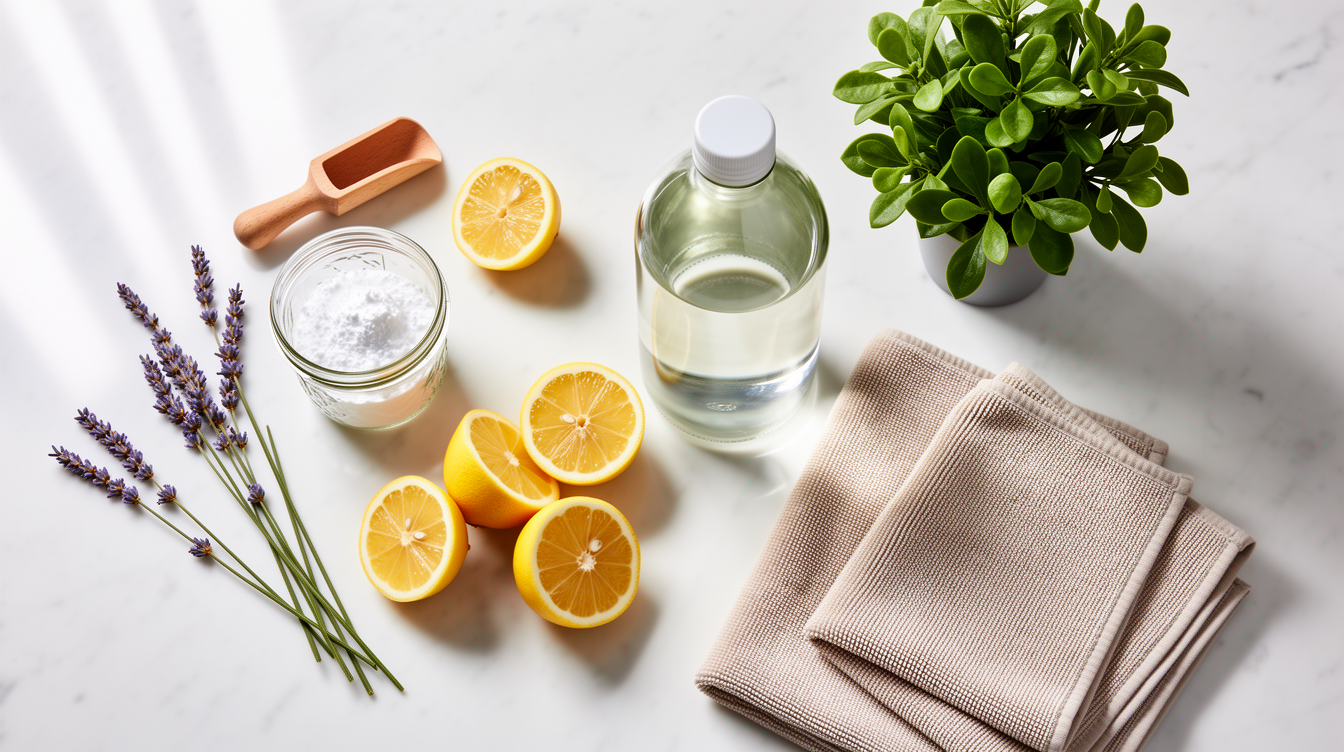
All Central Sea Cleaning services use plant-based, biodegradable, Australian-made cleaning products. Free from phosphates, chlorine bleach, synthetic fragrances, and ammonia.