
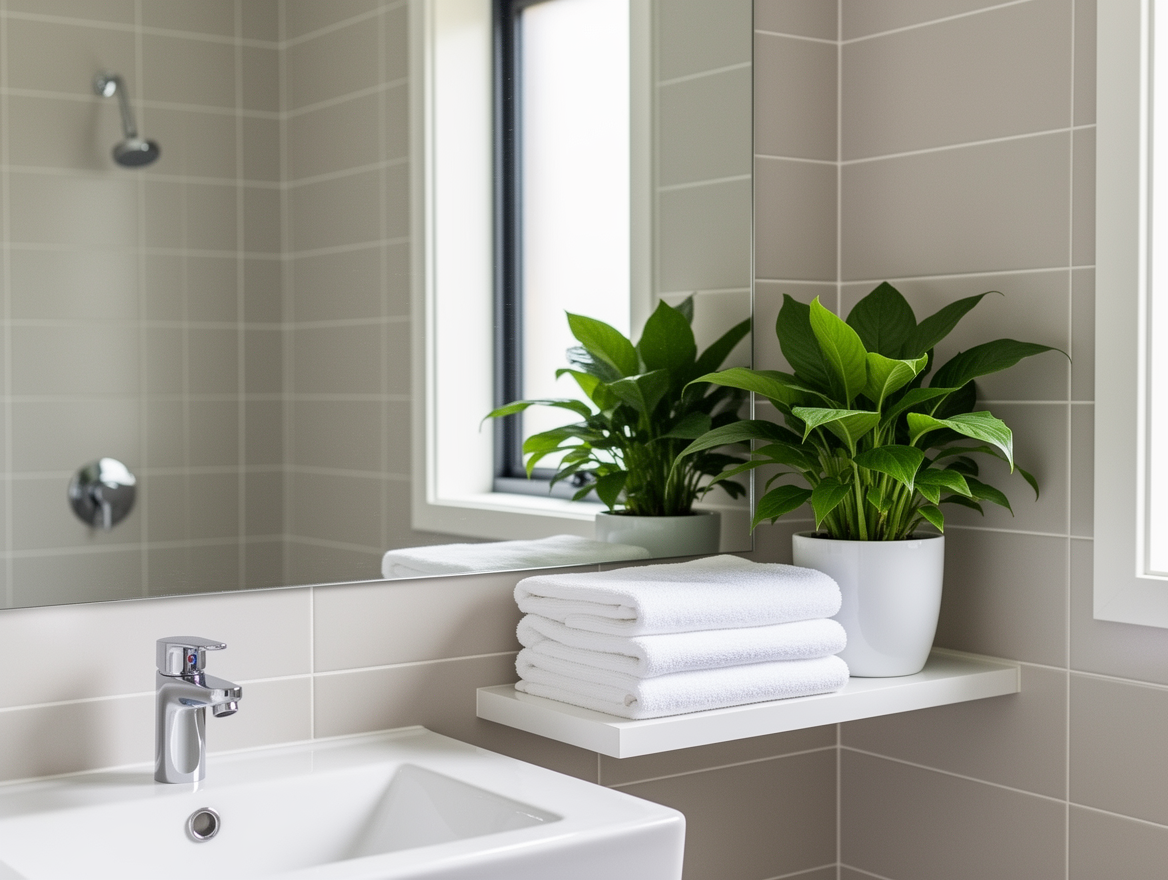
Mould in the bathroom is one of the most common complaints from Melbourne renters and homeowners alike. With the city's humid summers and cool, damp winters, bathrooms are prime territory for mould growth — and if left unchecked, it spreads fast and causes real health problems.
Why Melbourne Bathrooms Get Mould
Melbourne's climate sits between two extremes: warm, humid summers encourage moisture buildup, while cold winters lead to condensation on tiles and walls. Add poor ventilation — common in older Melbourne homes and apartments — and you have ideal mould conditions.
Mould thrives in areas where humidity regularly exceeds 60%. A standard shower raises bathroom humidity to 90–100% in minutes. Without an exhaust fan or open window, that moisture lingers for hours.
Is It Your Responsibility or the Landlord's?
Under the Victorian Residential Tenancies Act, landlords must provide and maintain properties in a reasonable state of repair. However, tenants are responsible for keeping the property clean and preventing damage from misuse.
In practice:
- Structural mould (caused by a leaking roof, poor waterproofing, rising damp) is almost always the landlord's problem
- Surface mould caused by inadequate ventilation or cleaning is usually the tenant's responsibility
- If you have an exhaust fan and it doesn't work — that's on the landlord
- If you never run the exhaust fan — that's on you
Document everything in writing to Consumer Affairs Victoria if there's a dispute.
What You'll Need
- White vinegar (undiluted) or a commercial anti-mould spray
- Old toothbrush or grout brush
- Microfibre cloths
- Rubber gloves and old clothes
- Baking soda (for tough cases)
- Spray bottle
- Tea tree oil (optional — natural antifungal)
Step-by-Step: Removing Bathroom Mould
- Ventilate first. Open windows and doors. Turn on the exhaust fan. You don't want to breathe mould spores loosened during cleaning.
- Spray the mould with undiluted white vinegar. Vinegar kills approximately 82% of mould species. Let it sit for at least 1 hour without wiping.
- Scrub with a toothbrush. Work into grout lines and silicone seals — these are the hardest spots to clear. Apply baking soda to the brush for extra abrasion on stubborn stains.
- Wipe clean with a damp microfibre cloth. Don't just rinse — wiping removes the dead mould rather than redistributing spores.
- Dry thoroughly. Use a dry cloth or let the exhaust fan run for 30 minutes. Moisture left behind is an open invitation for regrowth.
- Apply a mould-prevention spray to grout and silicone once dry. These products create a surface barrier that slows regrowth significantly.
What If the Mould Keeps Coming Back?
Surface mould that returns within a few weeks despite cleaning is usually a ventilation problem, not a cleaning problem. Check:
- Is your exhaust fan working? (Hold a tissue near the vent — it should pull flat toward the fan)
- Are you running the fan during and for 20 minutes after showering?
- Is there any cracked grout or failed silicone allowing water into walls?
- Does black staining appear behind the tiles? (That's structural mould — call your landlord or a professional)
When to Call a Professional
If mould covers more than one square metre, penetrates porous surfaces like plasterboard or wood, or keeps returning within days of cleaning — you need professional mould remediation, not just a spray bottle.
A professional team will treat the surface with EPA-grade antifungal agents, address any moisture source, and seal the area to prevent regrowth. This is particularly important if anyone in the household has asthma, allergies, or a compromised immune system.
Preventing Mould Long-Term
- Run the exhaust fan during every shower and for 20 minutes after
- Squeegee tiles after showering — removes 75% of the moisture
- Wash bath mats weekly — damp mats sitting on wet floors breed mould underneath
- Check and regrout when grout starts to crack or discolour
- Replace silicone seals every 3–5 years
- Leave the bathroom door open after showering to allow airflow
If you're preparing for a bond inspection and mould is an issue, the Central Sea Cleaning team handles bathroom mould as part of our end-of-lease clean. We use professional-grade treatments to ensure your bathroom passes inspection — call us on a local Melbourne cleaner or get an instant quote online.